How Smart Technology Is Transforming Online Entertainment and Digital Finance Platforms - What Gadget
Smart devices and connected technology are fundamentally reshaping how individuals interact with digital services, particularly within entertainment and finance ecosystems. Modern platforms are increasingly designed with mobile-first functionality, real-time performance, and simplified onboarding systems to meet rising consumer expectations. Examples such as spacehills.net highlight how modern digital services are combining entertainment, finance, and technology into more unified and accessible online experiences.
Mobile technology has become the primary gateway to these digital environments, pushing developers to prioritize fast-loading interfaces, cross-device synchronization, and secure login systems. Mobile optimization is now a requirement for survival in competitive markets, as platforms failing to deliver smooth experiences often lose users quickly to more responsive competitors. A well-optimized platform improves user retention rates, engagement time, conversion efficiency, and overall brand trust.
A significant development is the overlap between entertainment platforms and financial technology, creating hybrid systems that combine gaming mechanics, digital payments, and reward-based ecosystems. Core features of these hybrid platforms include real-time payments, gamified systems, digital wallets, and cross-platform access. These capabilities offer benefits such as faster user experiences, higher engagement through rewards, and greater flexibility in fund storage and usage.
User experience design remains a critical factor in determining platform success, focusing on simplicity, clarity, and frictionless registration processes. As digital platforms integrate with financial systems, security has become a top priority, necessitating measures like two-factor authentication, end-to-end encryption, and fraud detection systems. Trust is a critical component of user engagement, and platforms investing in security often see higher long-term loyalty.
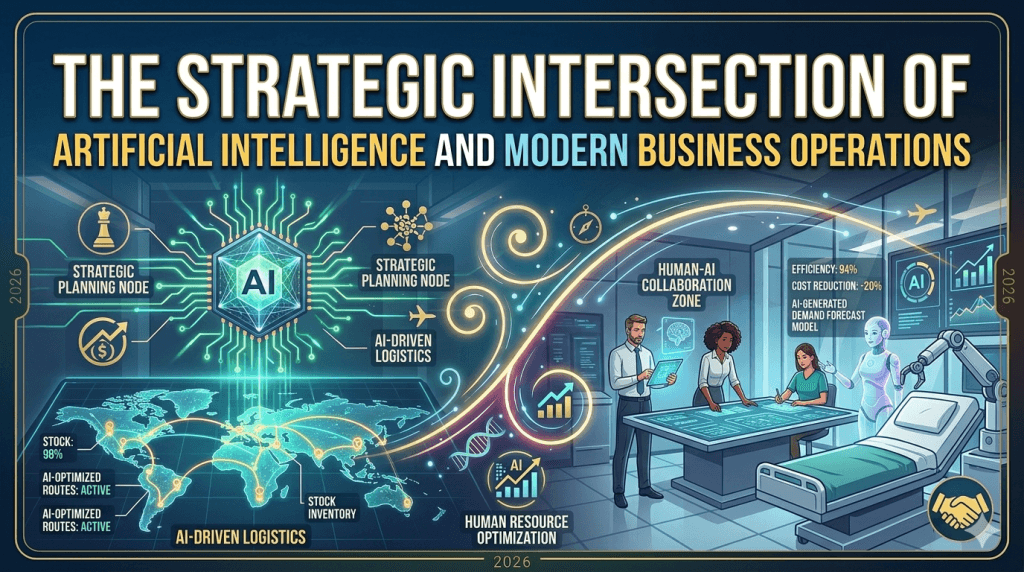
Data, cloud computing, and artificial intelligence serve as the backbone of these modern ecosystems, enabling scalable infrastructure and personalized content recommendations. AI applications range from fraud detection and risk assessment to smart content delivery and automated customer support. This transformation highlights how user expectations have driven innovation, moving from static traditional systems to dynamic, highly interactive, and AI-driven customization models.